

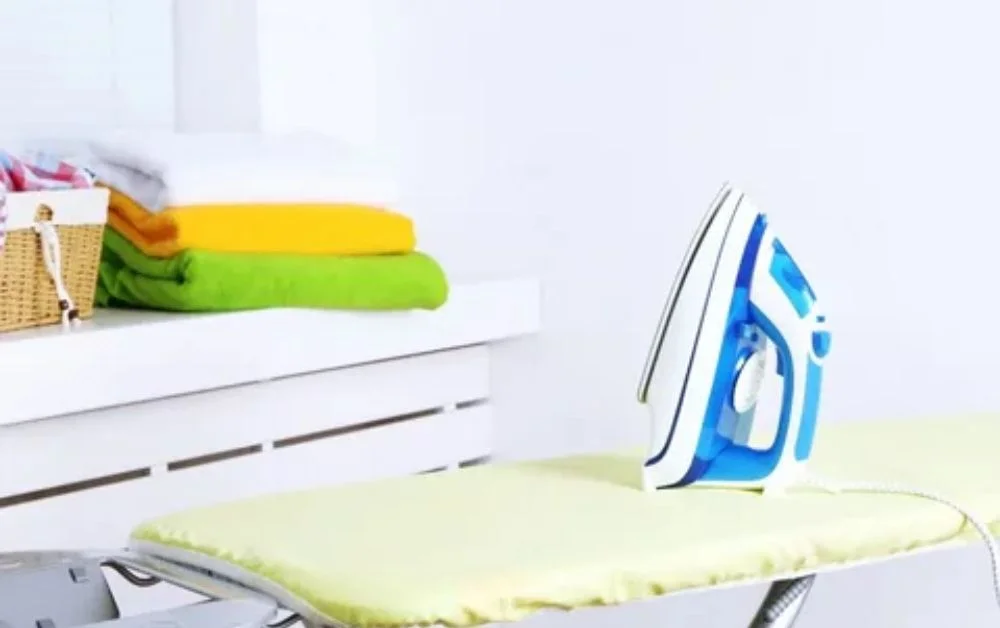
Use the right temperature setting for each fabric.
Iron clothes while they are slightly damp for best results. Ironing clothes can be a daunting task, but mastering it is essential for a polished look. Proper ironing techniques can save time and extend the life of your garments. By following a few expert tips, you can achieve crisp, wrinkle-free clothes effortlessly. This guide covers ten professional ironing tips to help you maintain a neat appearance. Whether you are preparing for work or a special event, these tips will ensure your clothes look impeccable. From choosing the right temperature settings to using steam effectively, these strategies will make ironing more efficient and less stressful. Get ready to iron your clothes like a pro!
Selecting The Right Iron
Choosing the right iron is crucial for perfect ironing. The right iron will save you time and effort. It will also help keep your clothes in great shape.Features To Look For
When picking an iron, look for these important features:- Adjustable Heat Settings: Different fabrics need different heat.
- Steam Output: More steam helps remove wrinkles easily.
- Water Tank Capacity: A larger tank means less refilling.
- Auto Shut-Off: This feature adds safety and saves energy.
- Weight: The iron should be easy to handle and not too heavy.
- Soleplate Material: Choose stainless steel or ceramic for smooth gliding.
Types Of Irons
There are different types of irons available. Each type has its own benefits. Here are the main types:| Type | Features |
| Steam Iron | Uses steam to remove wrinkles. Ideal for most fabrics. |
| Dry Iron | Does not use steam. Best for delicate fabrics. |
| Travel Iron | Compact and lightweight. Perfect for travel. |
| Garment Steamer | Uses steam to smooth clothes. Great for quick touch-ups. |
| Vertical Steam Iron | Can be used vertically. Handy for curtains and hanging clothes. |
Preparation Is Key
Ironing clothes can be easy with proper preparation. Good preparation makes ironing faster and better. Let’s start with the basics.Sorting Your Laundry
First, sort your laundry by fabric type. This helps prevent damage. Different fabrics need different temperatures. Cotton needs high heat. Silk needs low heat. Use a table to sort your clothes:| Fabric Type | Ironing Temperature |
| Cotton | High |
| Silk | Low |
| Wool | Medium |
| Synthetic | Low |
Pre-ironing Treatments
Check your clothes for stains. Remove stains before ironing. Heat can set stains permanently. Use a spray bottle with water. Lightly spray your clothes before ironing. This helps remove wrinkles faster. Make sure your ironing board is clean. A dirty board can transfer dirt to your clothes. Use a cover on your board to keep it clean.Setting Up Your Ironing Space
Creating the right ironing space is essential for efficient ironing. A well-organized area helps you iron clothes quickly and safely. Let’s explore how to set up your perfect ironing space.Choosing An Ironing Board
Your ironing board is the foundation of your ironing space. Select a board that is sturdy and adjustable in height. This helps you iron comfortably without straining your back. A good ironing board has a smooth surface. It should also have a heat-resistant cover. This ensures your clothes are protected from burns. Consider the size of the board. A wider board allows you to iron large garments easily. It also speeds up the process.Essential Accessories
Having the right accessories makes ironing easier and more effective. Here are some must-have items:- Ironing Mat: Protects surfaces and provides a smooth base for small items.
- Spray Bottle: Helps to dampen clothes for easier ironing.
- Pressing Cloth: Prevents shiny marks on delicate fabrics.
- Iron Rest: Keeps your iron safely in place when not in use.
Understanding Fabric Types
Ironing clothes can seem tricky, especially with different fabric types. Understanding fabric types ensures you use the right heat settings and techniques. This prevents damage and keeps your clothes looking crisp and fresh.Ironing Temperature Guide
Different fabrics need different ironing temperatures. Here’s a quick guide:| Fabric Type | Temperature (°C) |
| Cotton | 200°C |
| Linen | 230°C |
| Silk | 150°C |
| Wool | 160°C |
| Polyester | 110°C |
Delicate Vs. Durable Fabrics
Delicate fabrics like silk and lace need special care. Use a low heat setting and a pressing cloth to protect these fabrics. Durable fabrics like cotton and linen can withstand higher heat. Steam is also helpful for these materials to remove tough wrinkles. For delicate fabrics, set the iron to a low heat setting. For durable fabrics, you can use higher heat settings. Always check the care label on your clothes before ironing.- Silk: Iron on the reverse side with low heat.
- Cotton: Use a high heat setting with steam.
- Lace: Place a cloth over the fabric and use low heat.
- Linen: Iron while damp with high heat.
Mastering Ironing Techniques
Ironing clothes properly can make a huge difference. Wrinkle-free clothes look sharp and presentable. Here are some tips to master ironing techniques.The Correct Ironing Motion
Use a smooth back-and-forth motion. Keep the iron moving to avoid burns. Apply gentle pressure for stubborn wrinkles.- Start with the collar: Iron from the points to the back of the neck.
- Move to the cuffs: Iron the inside first, then the outside.
Avoiding Common Mistakes
Ironing can be a daunting task, especially with common mistakes. From wrinkles to scorch marks, these errors can ruin clothes. Here are tips to avoid these mistakes and iron like a pro.Ironing Shirts Without Wrinkles
To iron shirts without wrinkles, follow these steps:- Use a quality iron: A steam iron works best.
- Set the right temperature: Check the fabric label.
- Start with the collar: Iron both sides flat.
- Move to the cuffs: Iron inside and out.
- Iron the sleeves: Lay them flat and iron from shoulder to cuff.
- Finish with the body: Iron the front and back, avoiding buttons.
Preventing Shine And Scorch Marks
Shine and scorch marks are common ironing issues. To prevent them, use these tips:- Use a pressing cloth: Place a cloth between the iron and fabric.
- Adjust the heat setting: Lower the temperature for delicate fabrics.
- Keep the iron moving: Avoid holding the iron in one spot.
- Use steam wisely: Too much steam can cause shine.
- Iron inside out: This helps prevent shine on dark fabrics.
Maintaining Your Iron
To iron like a pro, you must keep your iron in top shape. Regular maintenance helps your iron perform better and last longer. Here are some essential tips for keeping your iron clean and efficient.Cleaning The Iron Soleplate
The soleplate is the flat, heated surface of the iron. It can get dirty over time. A dirty soleplate can stick to clothes and cause stains. Cleaning it regularly ensures smooth gliding on fabrics. To clean the soleplate, follow these steps:- Unplug the iron and let it cool down.
- Mix a paste of baking soda and water.
- Apply the paste to the soleplate using a soft cloth.
- Gently scrub the surface to remove grime.
- Wipe the soleplate with a damp cloth.
- Ensure it’s dry before using the iron again.
Decalcifying Your Iron
Mineral deposits from tap water can build up inside your iron. This can block steam holes and reduce efficiency. Decalcifying your iron removes these deposits. To decalcify your iron, use these steps:- Fill the water reservoir with a mixture of half water and half vinegar.
- Turn on the iron and set it to the steam setting.
- Let the iron steam for about 5 minutes.
- Turn off the iron and let it cool completely.
- Empty the reservoir and rinse it with clean water.
- Repeat the process if needed to remove all deposits.
Advanced Ironing Tips
Want to iron like a pro? Master these advanced ironing tips. Your clothes will look sharper and last longer. Let’s dive into some expert techniques.Using Starch For A Crisp Finish
Using starch can give your clothes a crisp, professional finish. Follow these steps to use starch effectively:- Choose a spray starch suitable for your fabric.
- Lightly spray the starch on your garment.
- Allow the starch to sit for a minute.
- Iron the fabric as usual, using smooth strokes.
Ironing Multi-layered Garments
Ironing multi-layered garments like pleated skirts can be tricky. Here’s how to do it right:- Start by ironing the innermost layers.
- Work your way outwards, layer by layer.
- Use a pressing cloth to avoid direct heat on delicate fabrics.
- Ensure each layer is smooth before moving to the next.
Ironing Alternatives And Hacks
Ironing can be a daunting task. But what if you could avoid it? There are many alternatives and hacks to keep your clothes wrinkle-free. Here are some tips to make your life easier.Steamer Use
A steamer is a great alternative to an iron. It is fast and easy to use.- Fill the steamer with water.
- Hang your garment on a hanger.
- Run the steamer over the fabric.
Quick Fixes Without An Iron
There are many ways to remove wrinkles without an iron. Here are some quick fixes:- Shower Steam: Hang your clothes in the bathroom while you shower. The steam will help remove wrinkles.
- Hair Dryer: Use a hair dryer to blow hot air on the wrinkles. Hold the fabric tight while you do this.
- Wet Cloth: Dampen a cloth and place it over the wrinkled area. Press down with your hands.
Practicing Safe Ironing
Ironing clothes can be a quick task if done safely. Avoiding accidents and proper storage are key. Let’s dive into safety tips.Avoiding Accidents
- Always set the iron on a stable surface.
- Keep the iron away from water.
- Turn off the iron when not in use.
- Don’t leave the iron unattended.
- Keep the cord away from the iron’s hot soleplate.
Proper Storage And Handling
Proper storage prevents damage and accidents. Follow these tips for safe storage:- Let the iron cool before storing it.
- Store the iron in an upright position.
- Wrap the cord neatly to avoid tangles.
- Keep the iron out of reach of children.
- Store it in a safe, dry place.
Frequently Asked Questions
How Do I Prevent Iron Burns On Clothes?
To prevent iron burns, always check the fabric label. Use the appropriate heat setting for the material. Iron delicate fabrics with a pressing cloth or on the reverse side.What Is The Best Way To Iron Shirts?
Start with the collar, then move to the cuffs, sleeves, and body. Iron in smooth, straight strokes. Use steam for stubborn wrinkles.How Can I Iron Clothes Faster?
Organize clothes by fabric type. Use a high-quality iron with steam. Iron similar fabrics together to avoid changing settings frequently.Should I Use Distilled Water In My Iron?
Yes, using distilled water prevents mineral buildup in your iron. It helps maintain performance and prolongs the lifespan of your iron.

Comments are closed